Our History
Introduction
The history of the Sisters of St. Joseph of Annecy in India is a story of faith, courage, service, and adaptation. For more than 175 years, the Sisters have sought to live the vision of their founder, Father Jean-Pierre Médaille, S.J., by bringing together love of God and love of the “dear neighbor," especially through service to the poor, neglected, sick,k and vulnerable. Their Indian mission, which began in 1849, developed from a small missionary foundation on the eastern coast into a wide network of communities, schools, hospitals, social centers, and other ministries across several parts of India.
The Call to India
The arrival of the Sisters in India was closely connected with the missionary work of the Missionaries of St. Francis de Sales (MSFS). Father Neyret, working in the Visakhapatnam mission, recognised the need for women religious who could serve women and children, particularly in education and social ministry. Having known the Sisters of St. Joseph in France, he appealed to their Superior General for Sisters to come to India.
Four Sisters responded to this call. They left France in July 1849 and undertook a long and difficult journey to India. They arrived at Yanam on 5 December 1849. This date is regarded by the Indian province as the beginning, or "birthday," of the Congregation and its mission in India.
The pioneers faced unfamiliar climatic conditions, language and culture, difficult travel, and the challenges of establishing a new religious mission far from their homeland. Nevertheless, they began their ministry with determination and a spirit of sacrifice.
The First Years in Visakhapatnam
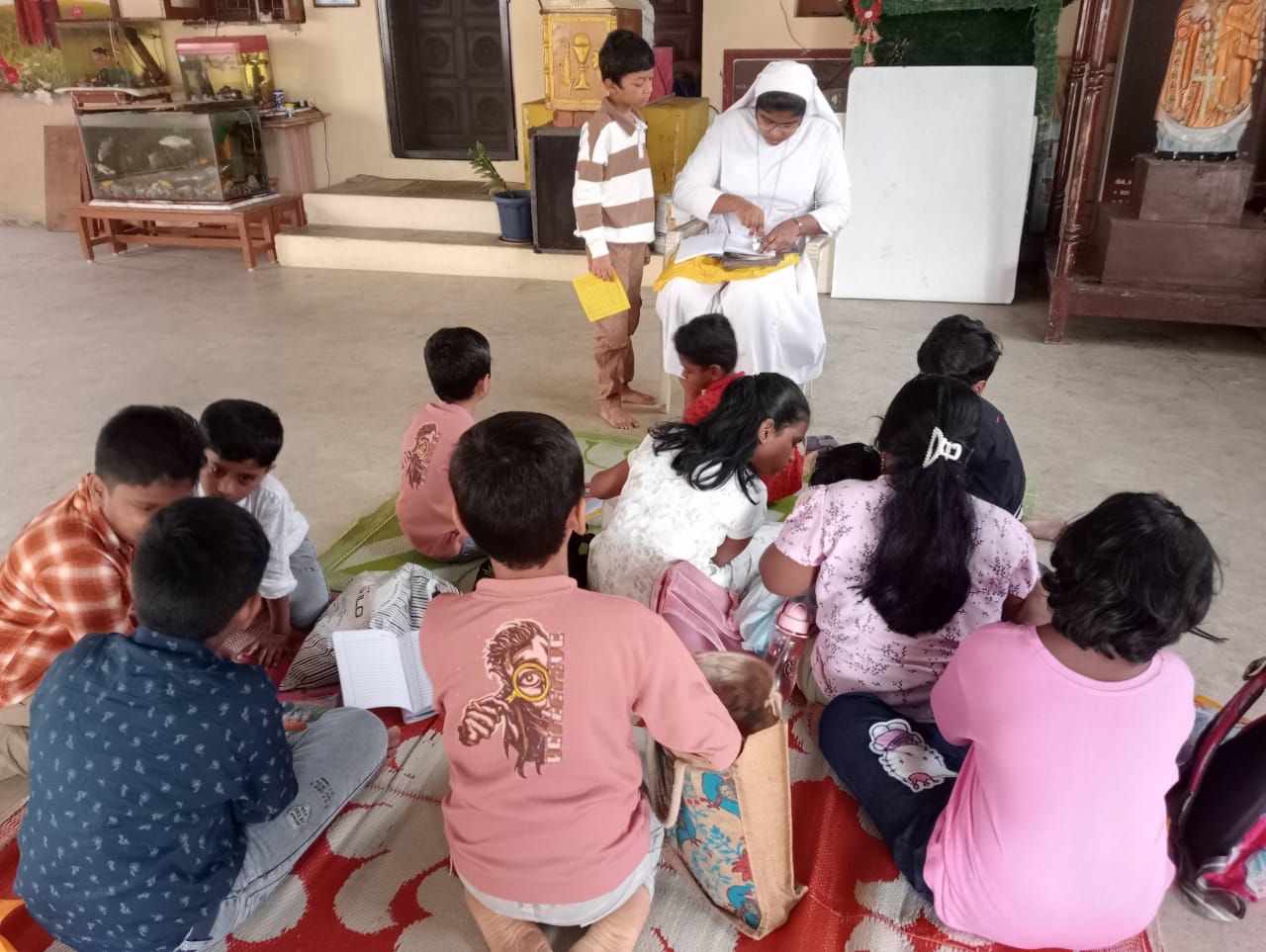
After the arrival of the first Sisters, additional missionaries followed. A second group arrived in Visakhapatnam in December 1851, and a first community of the Sisters was established there in 1852. Visakhapatnam gradually became the principal centre of the Congregation's work in India. The Sisters' first ministries were directed particularly towards women and children. They worked in villages, taught children, and cared for people in need. Education quickly became one of the most important means through which they expressed their missionary vocation. Schools and boarding facilities were established because the Sisters recognized ignorance and lack of education as major forms of poverty.
By 1858, the congregation had established its first provincial house, novitiate, and boarding facilities in Visakhapatnam. This marked an important step in the development of an indigenous and sustainable Indian mission.

Expansion Along the Eastern Coast
During the second half of the nineteenth century, the mission expanded rapidly. The Sisters established communities and educational institutions in several places in what was then the extensive Visakhapatnam mission.
Education remained at the heart of this expansion. The Sisters served in schools for girls, primary schools, boarding schools, and institutions serving children from disadvantaged communities. Their work gradually extended beyond formal education to catechesis, care of children, health care, and other forms of social service.
The Sisters also responded to the particular needs of women. Their ministries included care of widows and orphans, workshops, and other forms of practical assistance. Historical accounts of the Congregation describe their work in hospitals, orphanages, schools, and home-based nursing, showing that their apostolate was never restricted to one particular form of service.
Formation of Indian Sisters
An important development in the history of the congregation was the gradual emergence of local vocations. The early mission depended heavily upon Sisters who came from France, but the long-term development of the congregation in India required the formation of Indian women religious.
The establishment and development of the novitiate in Visakhapatnam was therefore a significant milestone. Although the novitiate experienced periods of closure and reopening, it provided an important foundation for the growth of the Indian branch of the Congregation.
The growth of indigenous vocations enabled the Sisters to understand and respond more deeply to Indian realities. Indian Sisters could minister in local languages and cultures and increasingly take responsibility for the leadership and development of the mission.
Education as a Major Mission
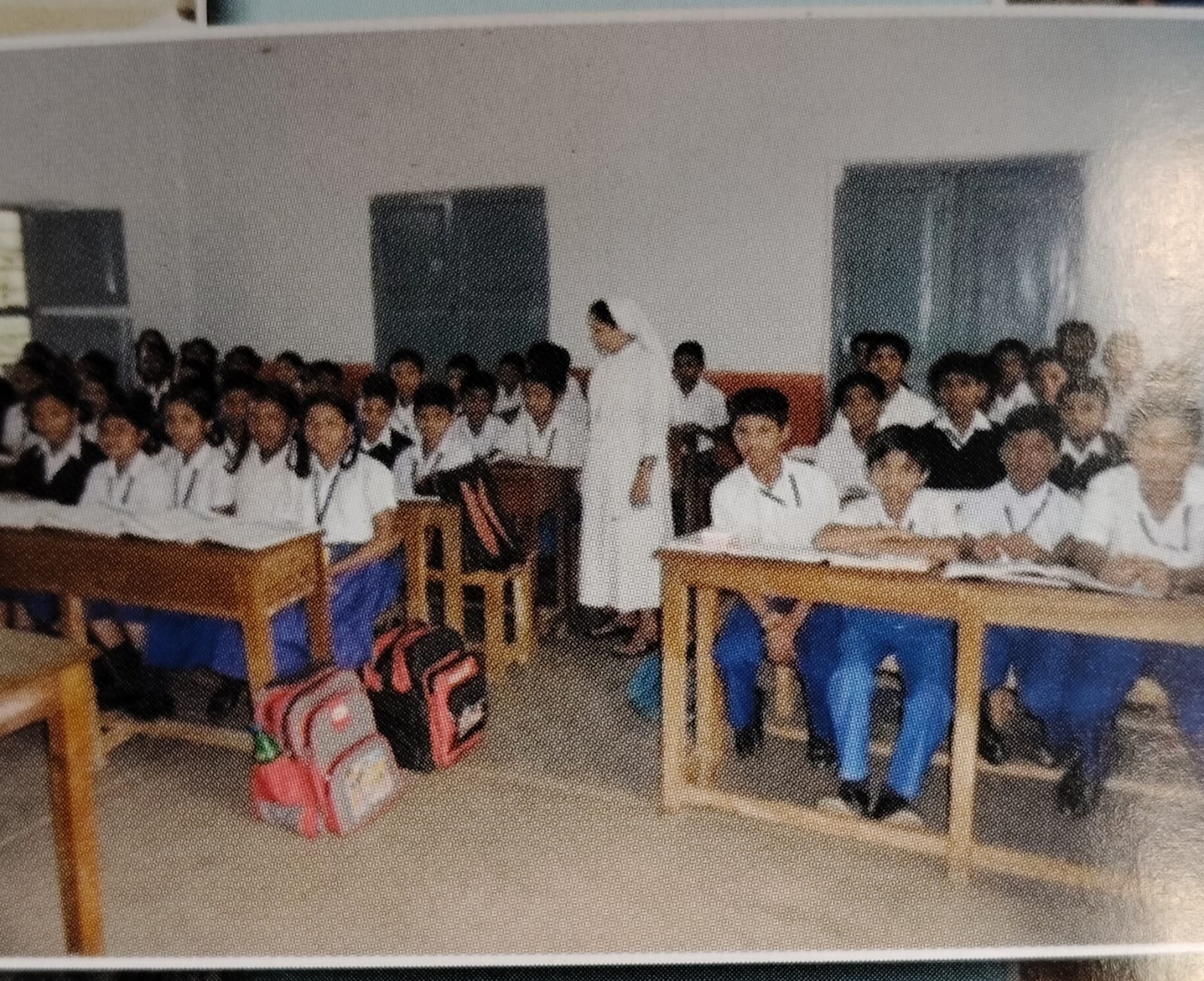
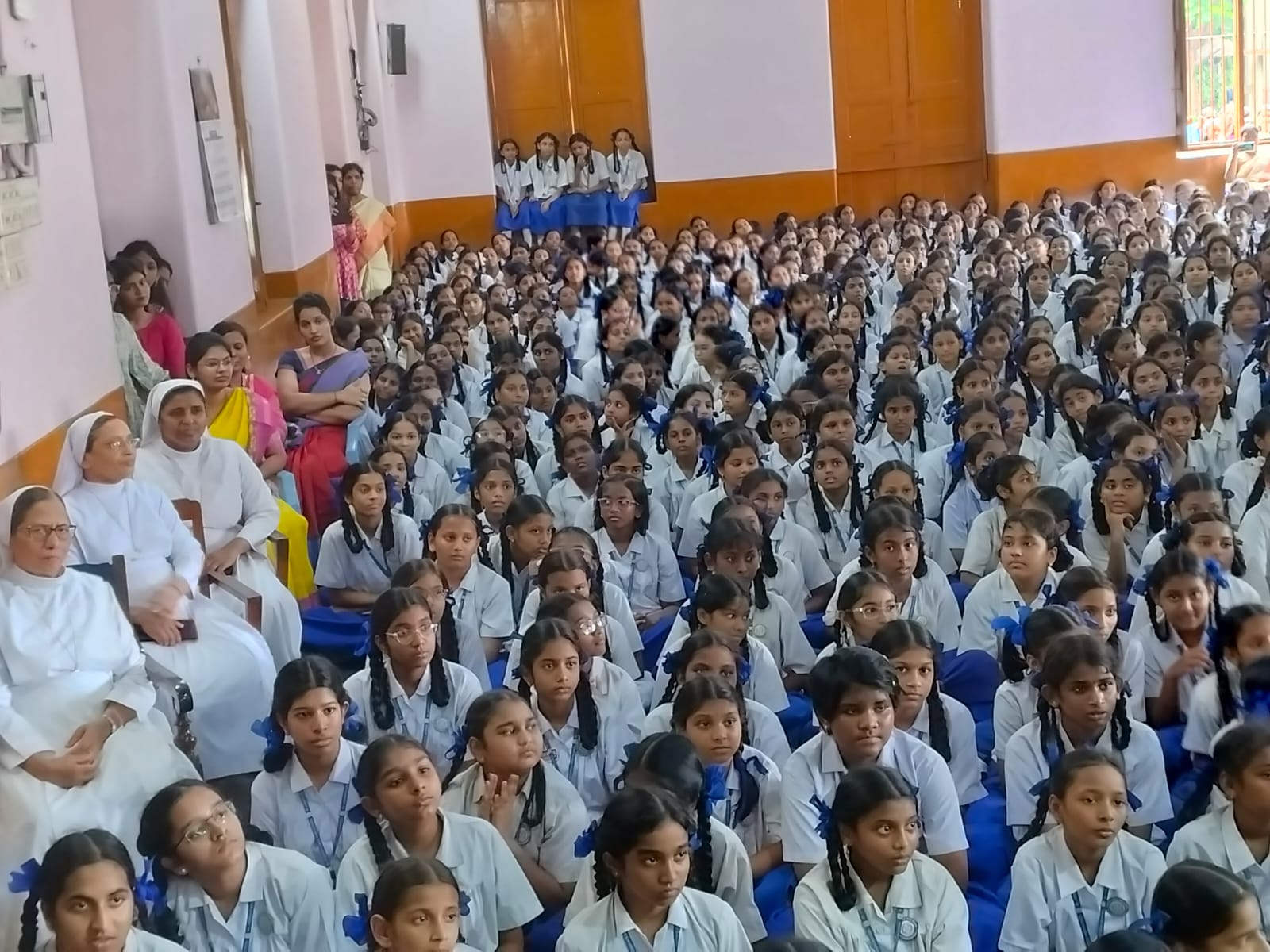
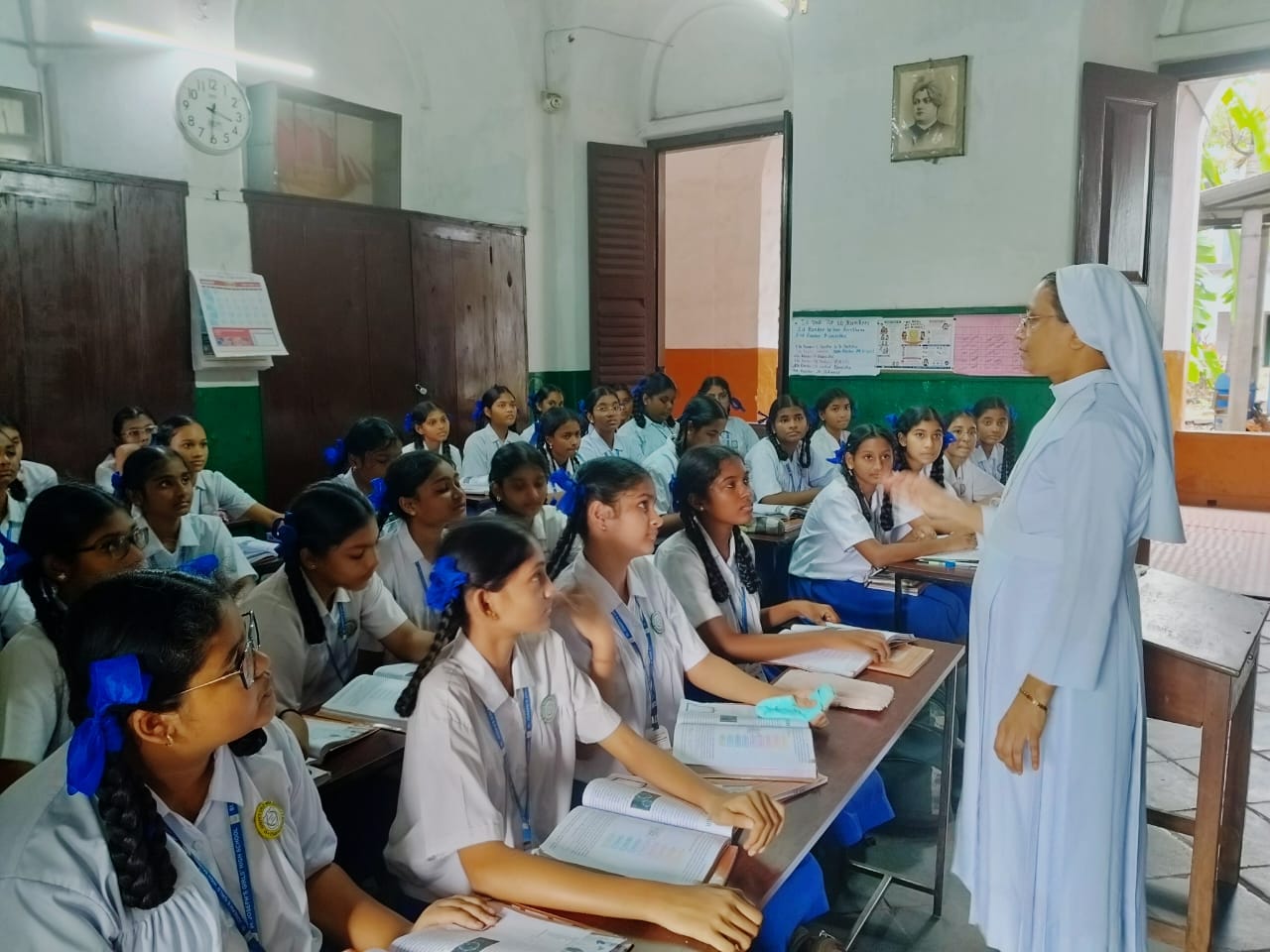
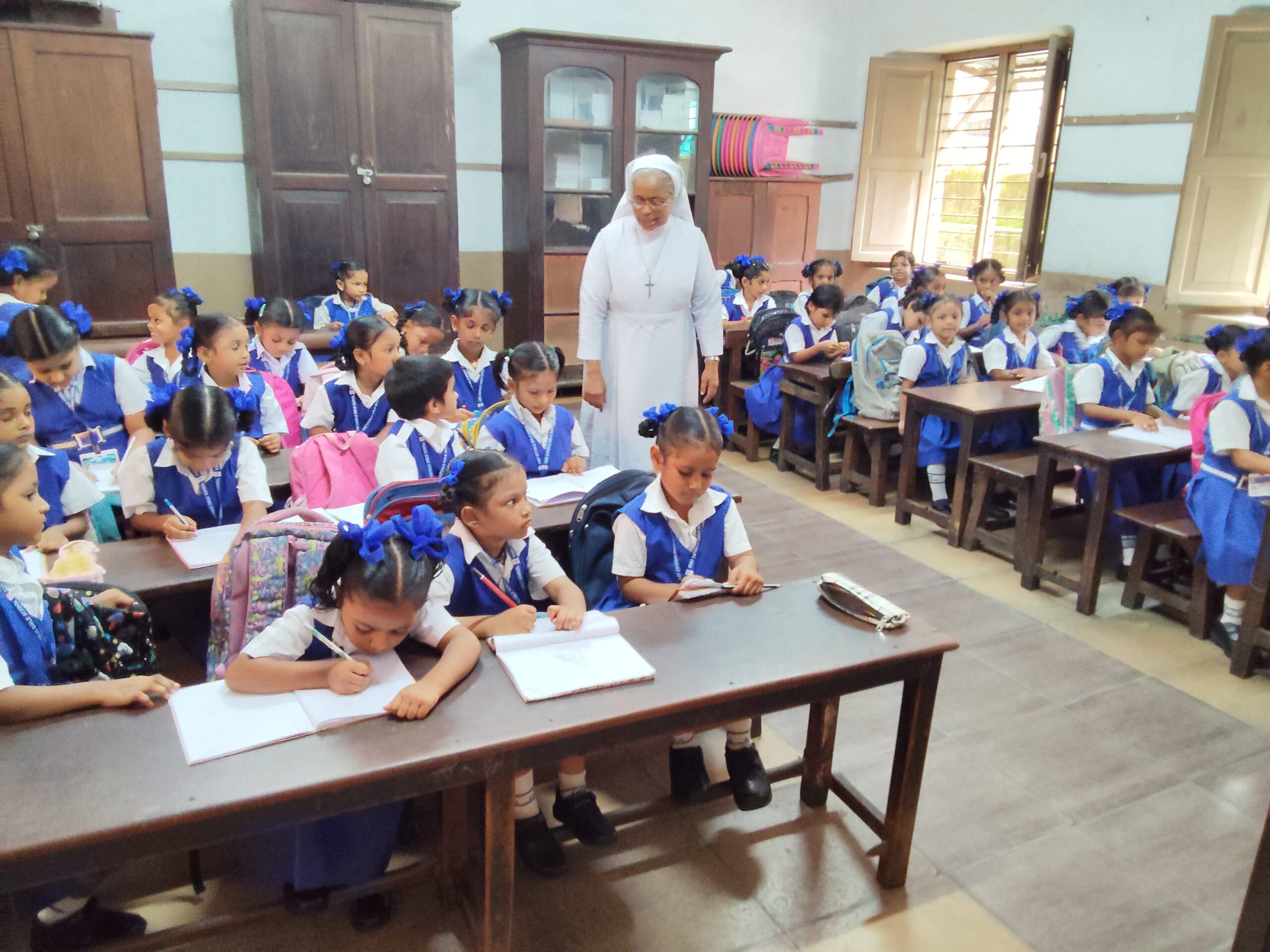
Education became one of the most visible and enduring contributions of the Sisters of St. Joseph of Annecy in India. They established and administered schools for girls and boys, boarding schools, primary schools, and institutions serving communities with limited educational opportunities.
Among the institutions associated with the congregation are St. Joseph's Girls' High School in Visakhapatnam, St. Joseph's Girls' High School in Kakinada, and schools at Araku, Srikakulam, Prathipadu, and other locations, as well as institutions in Odisha, Kerala, Karnataka, and Tamil Nadu.
The educational apostolate was understood not simply as the transmission of academic knowledge but as a means of promoting human dignity. By educating children, especially girls and those from disadvantaged backgrounds, the Sisters contributed to the social, moral, and spiritual development of generations of Indian families. The ministry also adapted to changing educational needs. Over the decades, the Sisters became involved in English-medium and regional-language education, vocational initiatives, hostels, crèches, and programmes for children who had difficulty accessing conventional schooling.
Health Care and Service to the Poor
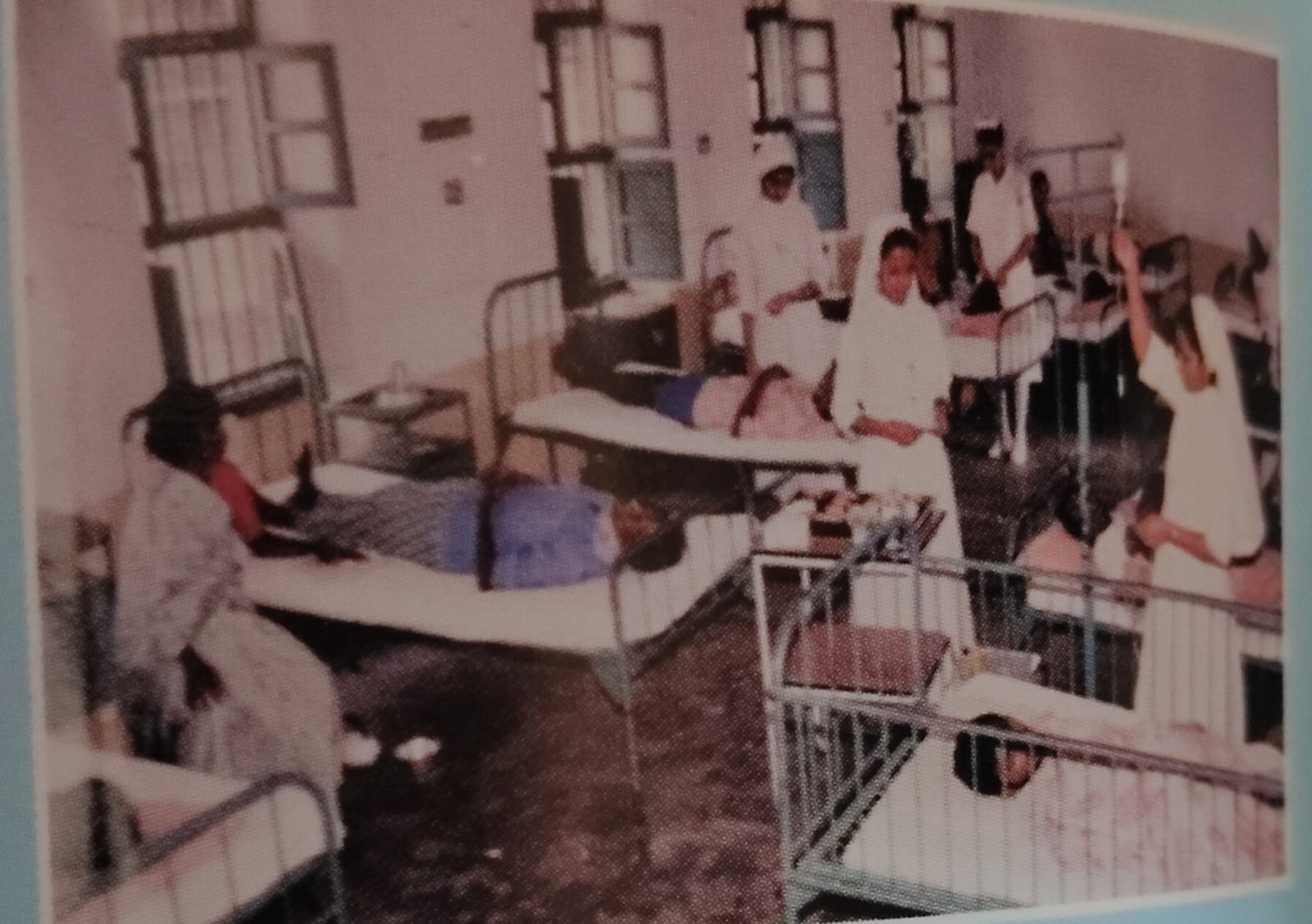
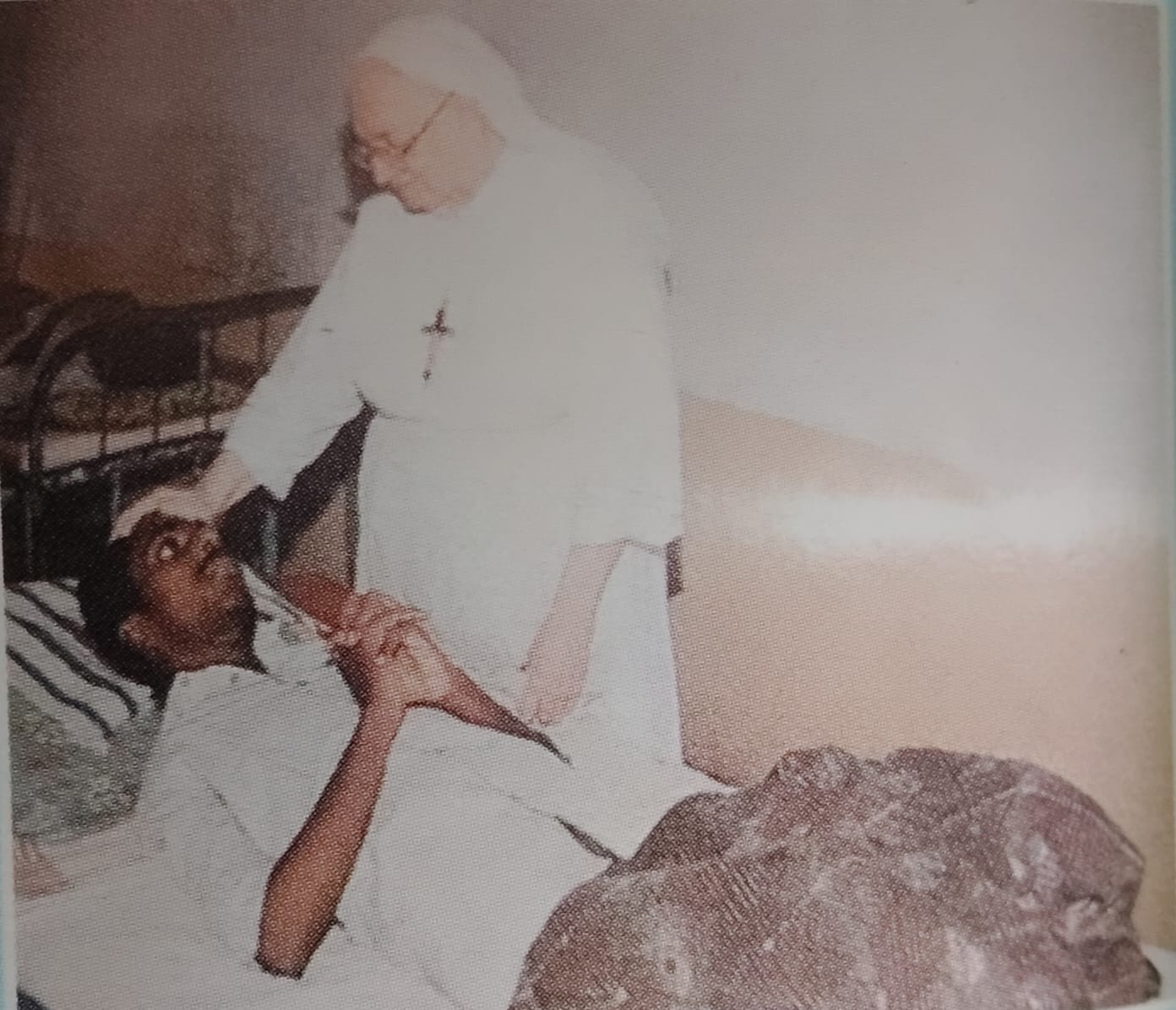
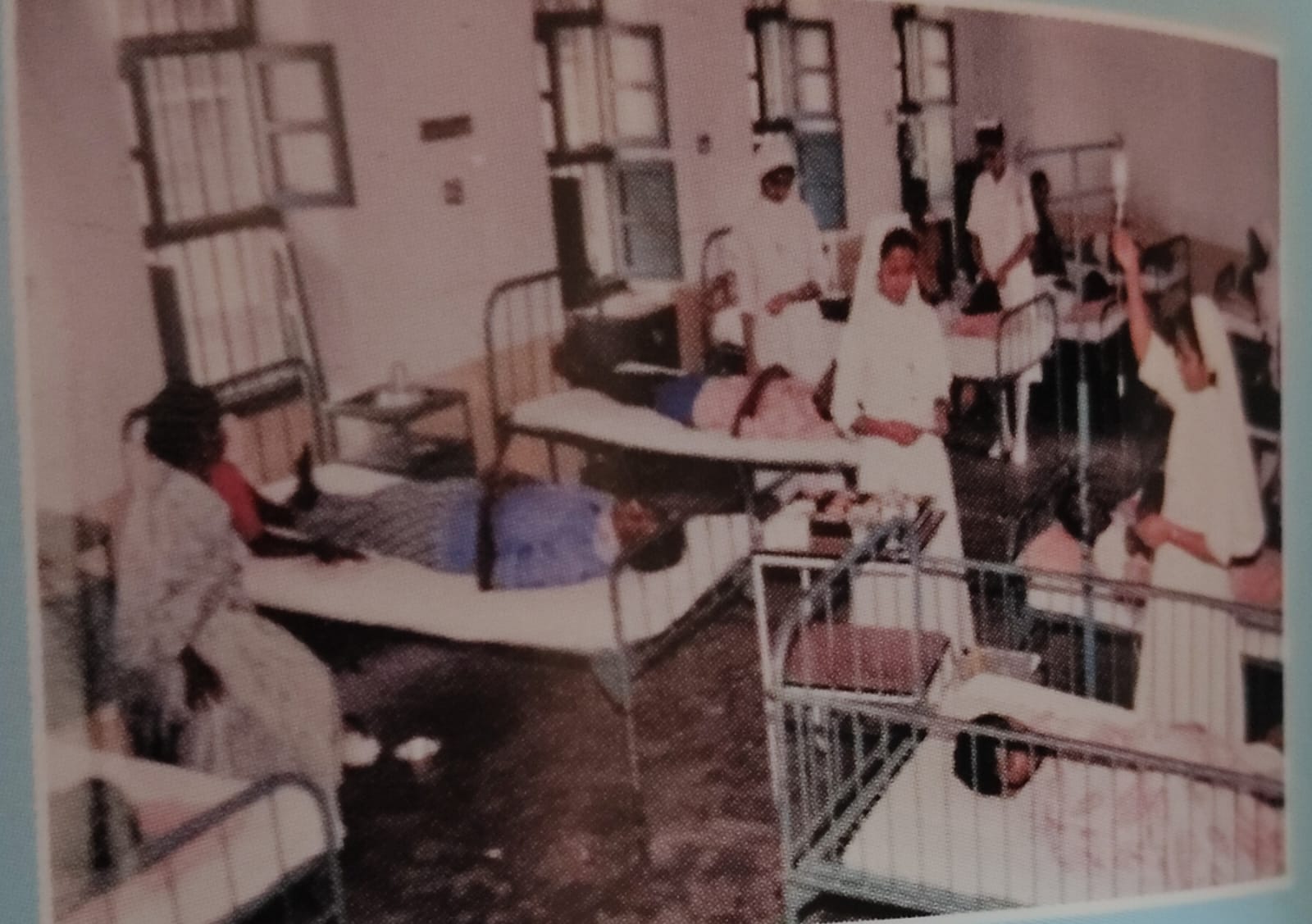
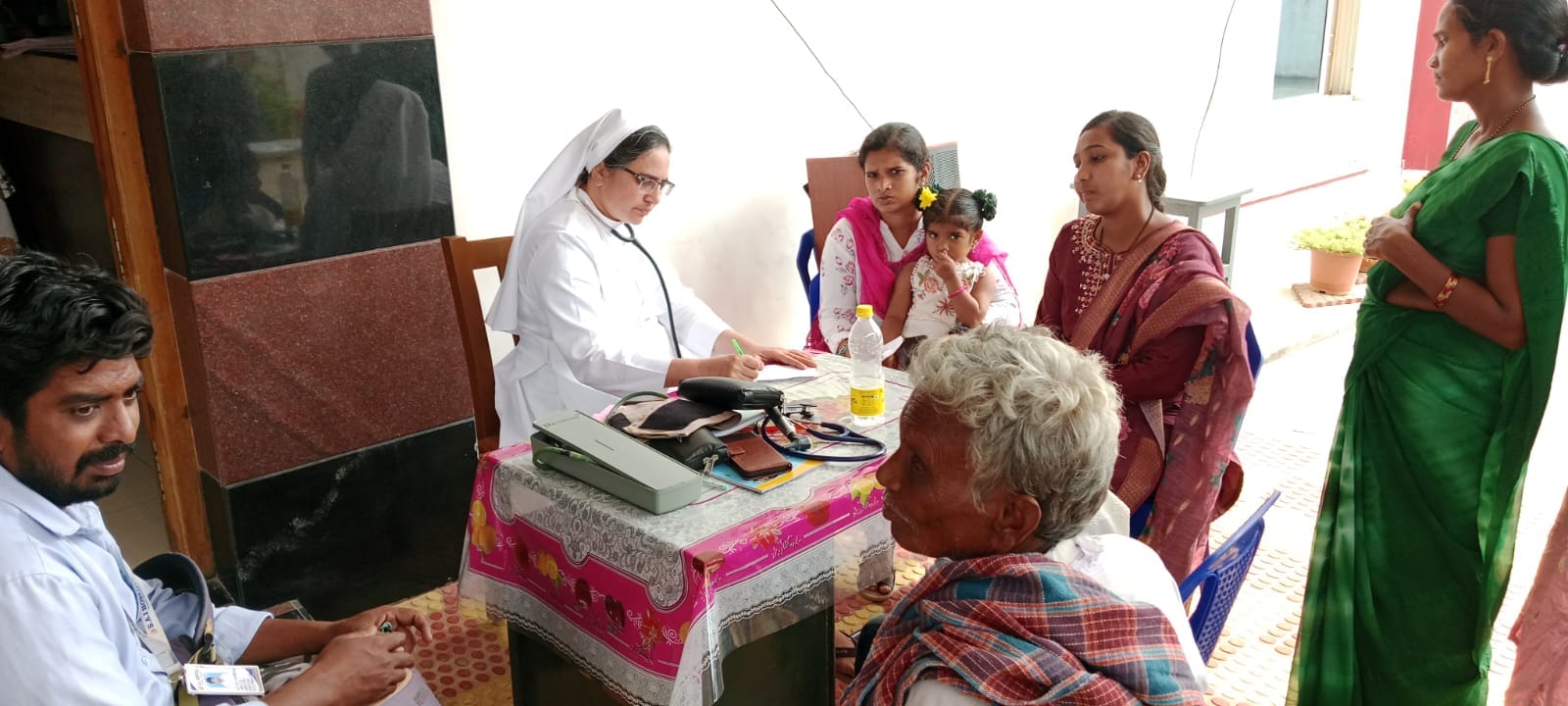
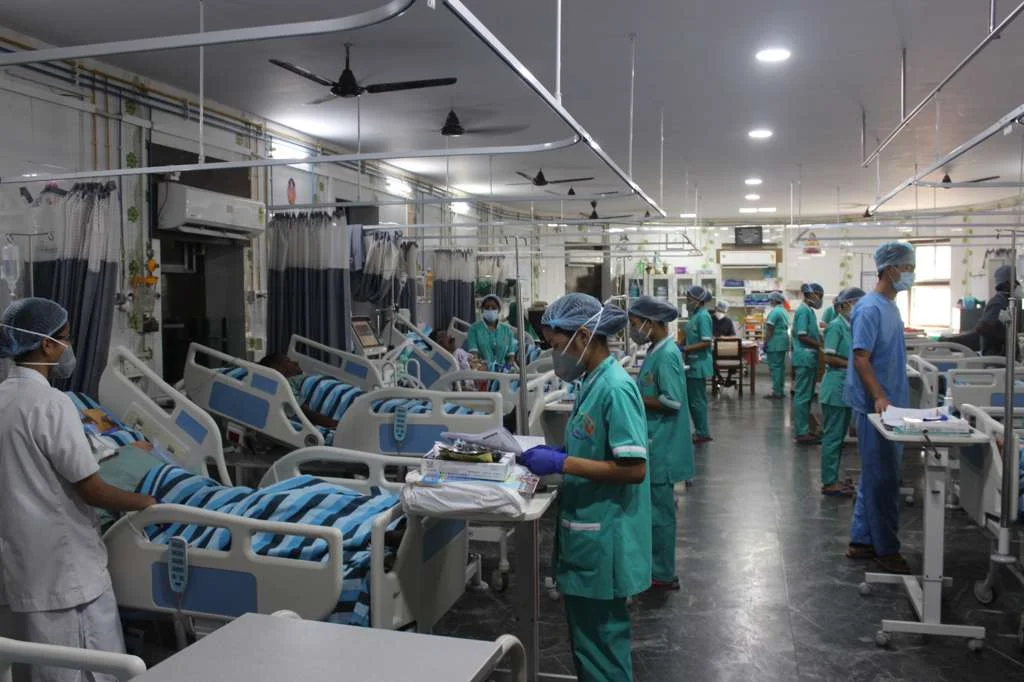
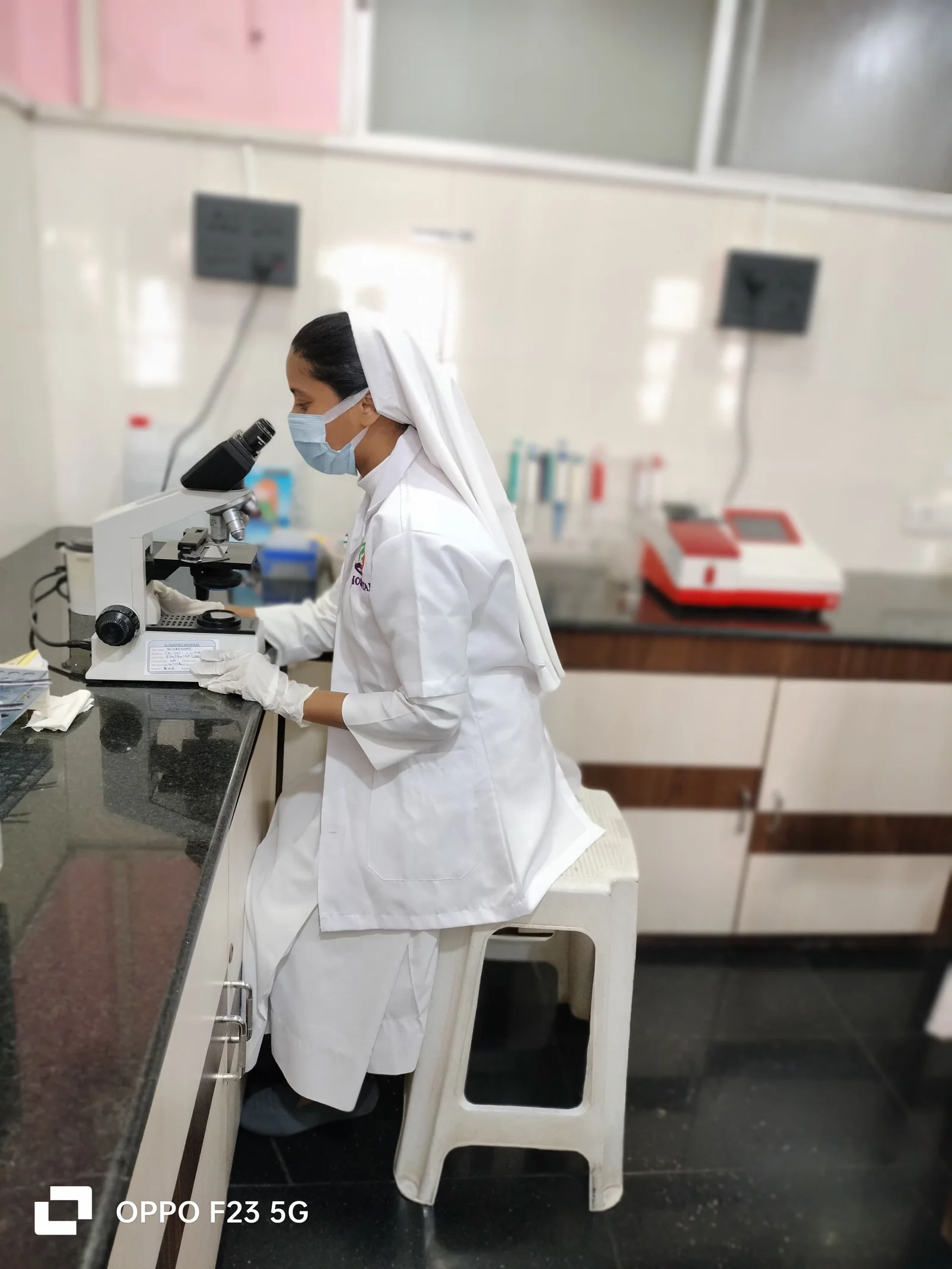
Alongside education, health care became a major expression of the Sisters' charism. The Congregation was established and served in hospitals, dispensaries, nursing programmes, and health centres.
The historical milestones of the Indian mission record the establishment of St. Joseph's Hospital at Prathipadu in 1952, St. Joseph's Hospital at Maryland in 1962, and the Hospital School of Nursing at Visakhapatnam in 1989. The Sisters also became involved in leprosy-control work, including a leprosy control centre at Prathipadu established in 1967.
These ministries reflected the Congregation's original commitment to serve people whose needs were often overlooked. Nursing, home visits, care of the elderly, and assistance to people affected by disease became practical expressions of compassion.
The Sisters continue to describe their mission in terms of service to the poor and neglected, while interpreting that mission according to the needs of contemporary society.
Work with the Marginalised
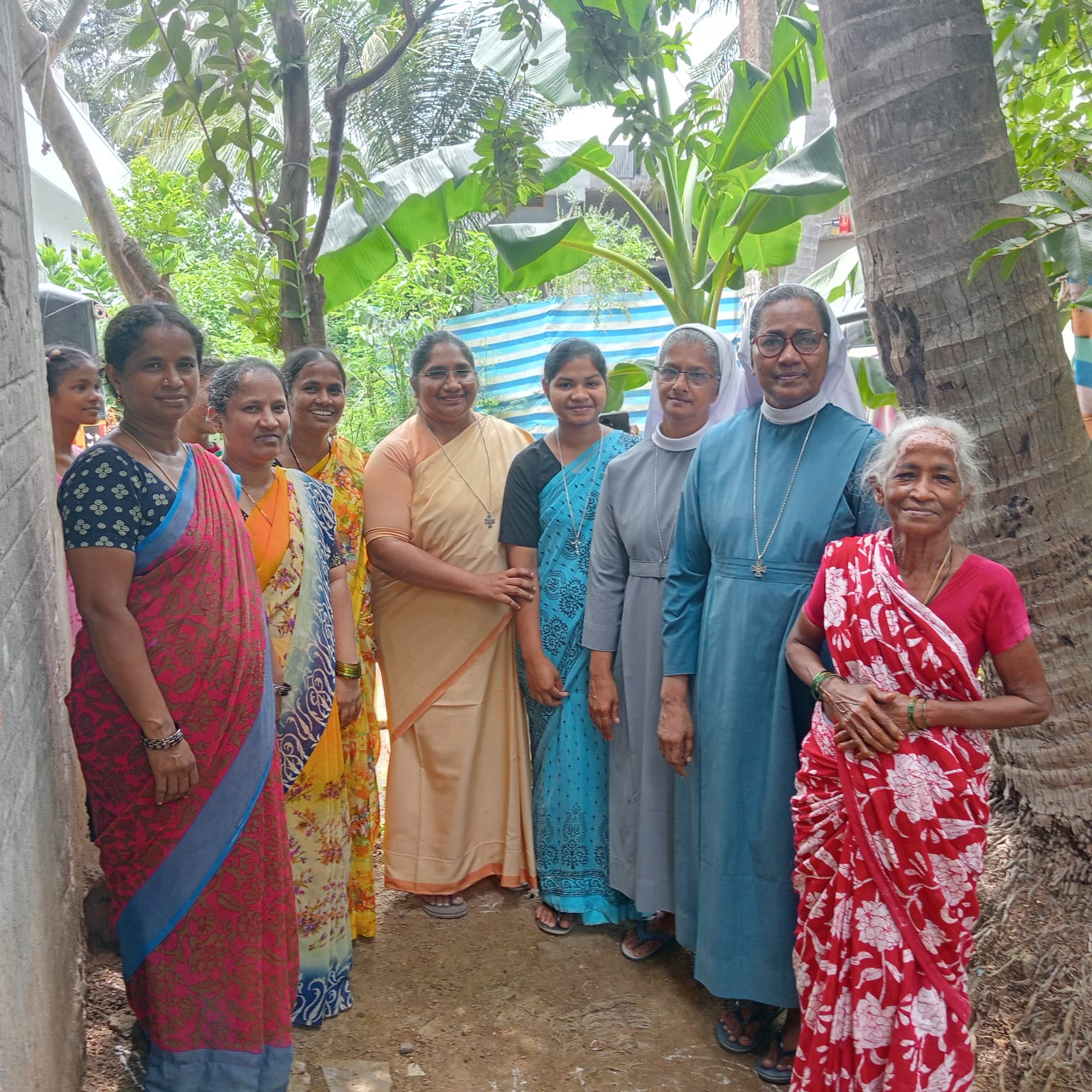
Sisters' Indian apostolate gradually broadened beyond schools and hospitals. They established homes for the aged, boarding facilities, social-work centers, programmes for tribal communities, prison ministry, outreach programmes and other forms of pastoral and social service.
The Congregation's own account of its Indian mission lists ministries including schools and colleges, hostels, boarding schools, crèches, homes for the aged, hospitals, health centres, AIDS-care programmes, leprosy eradication, social work, prison ministry, parish work, tribal welfare, and outreach.
This diversity of ministries reflects an important characteristic of the Sisters of St. Joseph of Annecy: they have generally not understood their apostolate as being limited to one particular work. Rather, they have sought to respond to the needs of the people and the circumstances of each place.
Expansion Beyond Andhra Pradesh
Although Visakhapatnam remained the historic centre of the Indian mission, the Congregation gradually spread into other parts of the country.
The milestones of the congregation record foundations in Odisha, Karnataka, Kerala, Tamil Nadu and Arunachal Pradesh, among other places. Communities were established in Bhubaneswar, Cuttack, Bangalore, Chennai, and Kerala, while further expansion brought the Sisters into new pastoral and educational contexts.
The Congregation's Indian presence today forms part of a wider international mission. The Sisters of St. Joseph of Annecy report their presence in India as well as countries in Europe and Africa, maintaining a common spirituality while responding to the needs of different cultures and societies.
The Development of the Bhubaneswar Province
The expansion of the mission in Odisha and neighbouring regions eventually led to an important structural development. On 15 August 2002, the Bhubaneswar Province was separated from the Visakhapatnam Province. The purpose was to facilitate the Congregation's growing service to the people of Odisha and other areas.
The establishment of the Bhubaneswar Province demonstrated the maturity of the Indian mission. What had begun in 1849 as a small group of French missionary Sisters had developed into a growing Indian congregation with its own leadership, communities, vocations, and diverse ministries.
The Spirituality Behind the Mission
The history of the Sisters cannot be understood simply as a history of schools, hospitals, and convents. At its heart is the spirituality inherited from Father Jean-Pierre Médaille.
The Sisters seek to combine deep union with God with loving service of their neighbour. Their constitutions express this vocation in terms of bringing about a "two-fold union”: union with God and union among people.
This spirituality has given the congregation flexibility in responding to changing circumstances. The Sisters have moved from nineteenth-century village missions to modern schools, hospitals, social centres and programmes for marginalised communities, while attempting to preserve the same fundamental concern: to communicate God's compassionate love through practical service.
The Sisters in India Today
Today the Sisters of St. Joseph of Annecy continue their mission in India through education, health care, pastoral ministry, social service, care of the elderly, tribal and rural development, formation of young people, and other ministries. Their current educational network includes schools in Andhra Pradesh, Odisha, Kerala, Tamil Nadu, Karnataka, and Arunachal Pradesh, among other places.
The Congregation's contemporary understanding of mission also includes concern for justice, peace, and the integrity of creation. The Sisters describe themselves as an apostolic congregation committed to serving the “dear neighbour” and recognize that today's forms of poverty include not only material deprivation but also exclusion, injustice, and damage to the environment. The Indian mission is therefore no longer simply an extension of a European congregation. After more than a century and a quarter, it has developed its own identity, leadership, vocations, and institutions while remaining connected to the international family of the Sisters of St. Joseph of Annecy.
Conclusion
The history of the Sisters of St. Joseph of Annecy in India began with the courageous journey of four French women religious in 1849. They arrived in a country whose languages, cultures, and social circumstances were very different from those they had known in France. Yet their response was simple and enduring: to serve.
From Yanam and Visakhapatnam, their mission spread through Andhra Pradesh and into Odisha, Karnataka, Kerala, Tamil Nadu, and other parts of India. Schools became instruments of education and empowerment; hospitals and health centres became places of healing; homes and social programmes became signs of compassion; and pastoral and tribal ministries brought the Sisters into close contact with communities on the margins of society.
The story of the Sisters of St. Joseph of Annecy in India is therefore not merely a record of institutions founded over the years. It is a history of people: missionaries who crossed continents, Indian women who embraced religious life, teachers who educated generations, nurses who cared for the sick, and Sisters who stood beside the poor and neglected.
Their journey from a small missionary foundation in 1849 to a widespread Indian presence illustrates the enduring relevance of Father Médaille's vision: union with God expressed through compassionate service of the neighbour. After more than 175 years in India, that vision continues to shape the Congregation's response to the needs of the Church and society.
Our Mission in Visakhapatnam
Education
Health Ministry
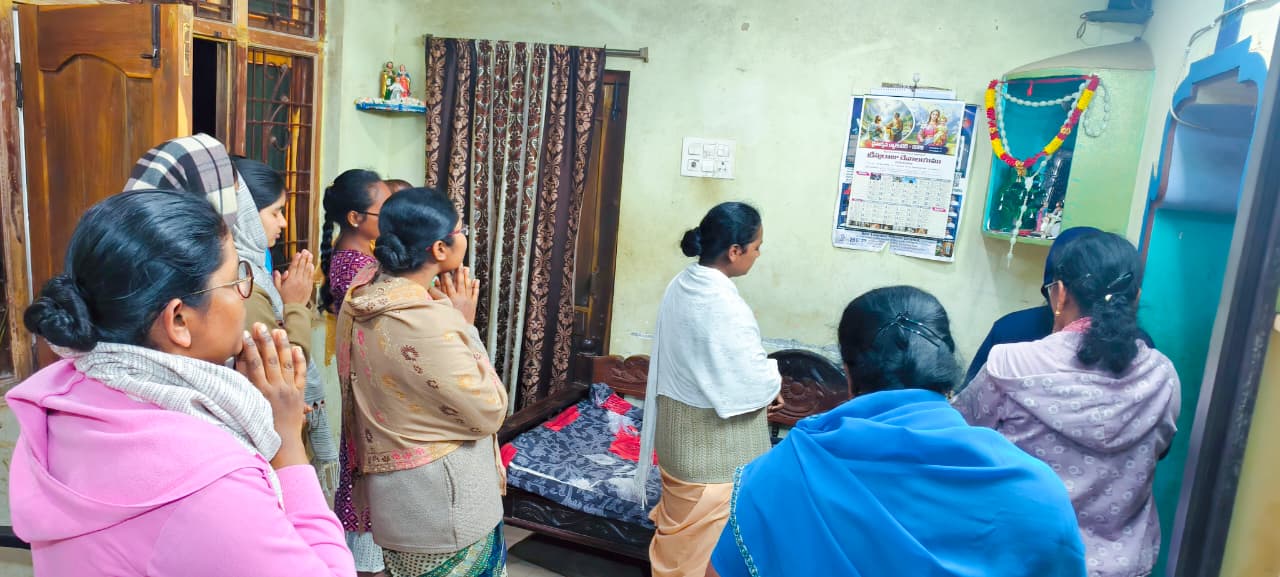
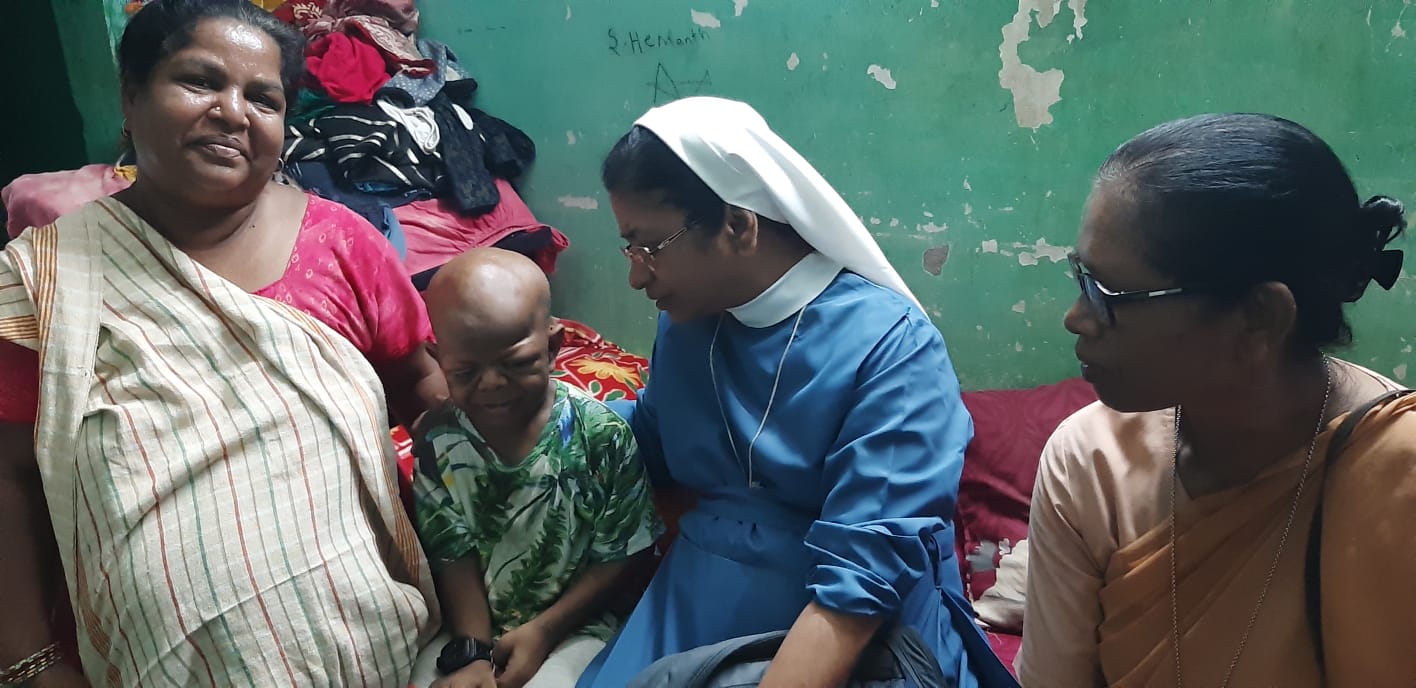
Family Visits
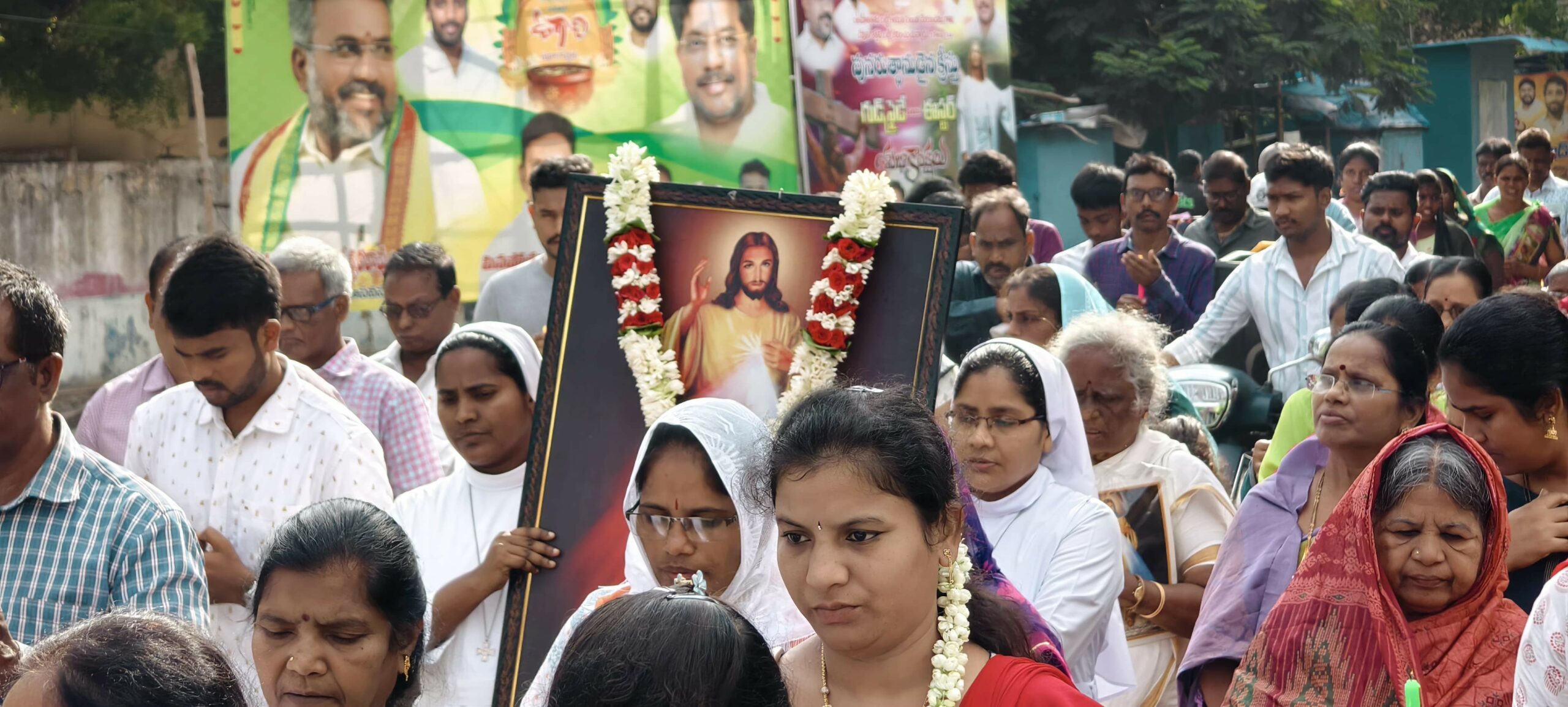
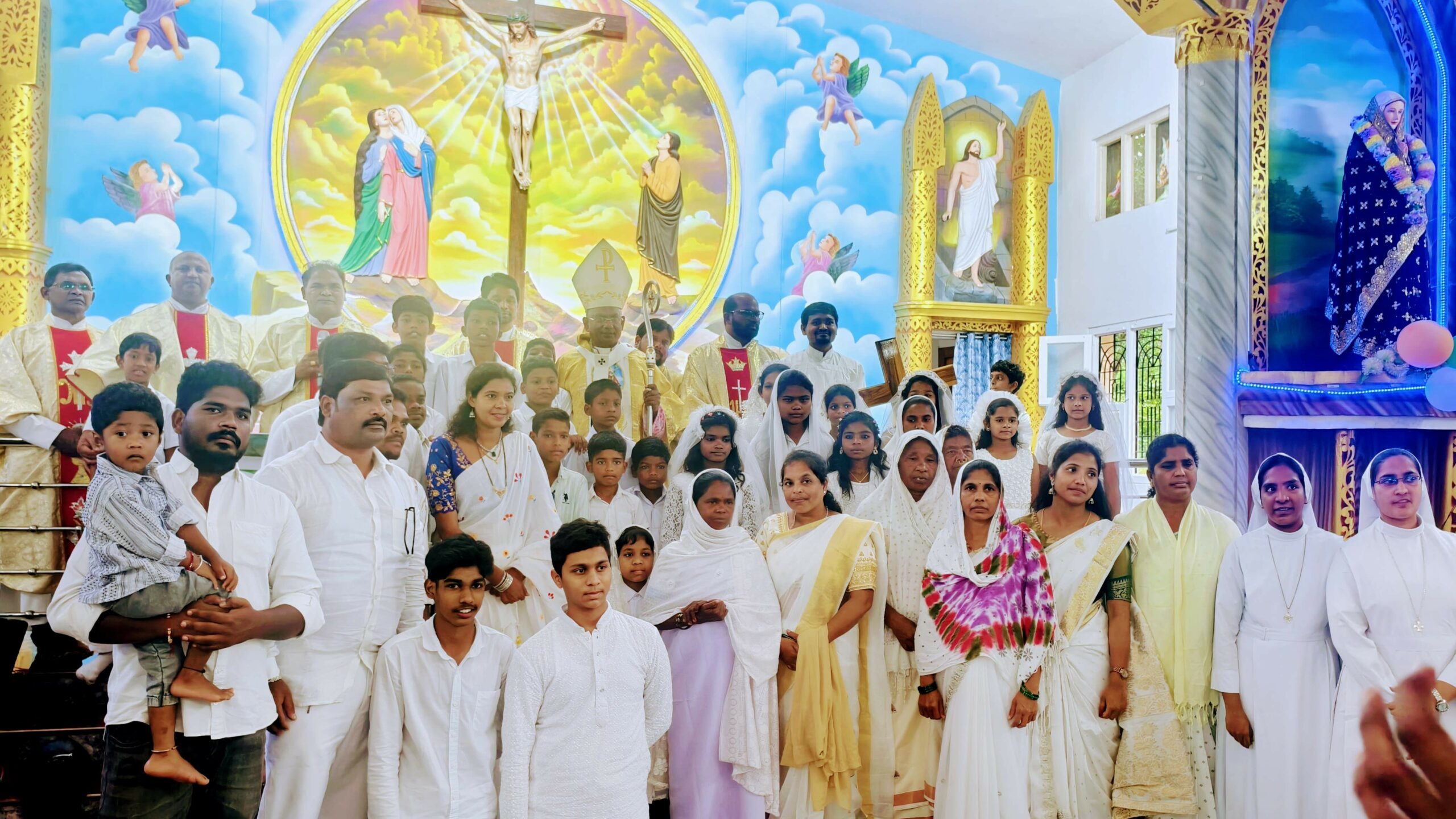
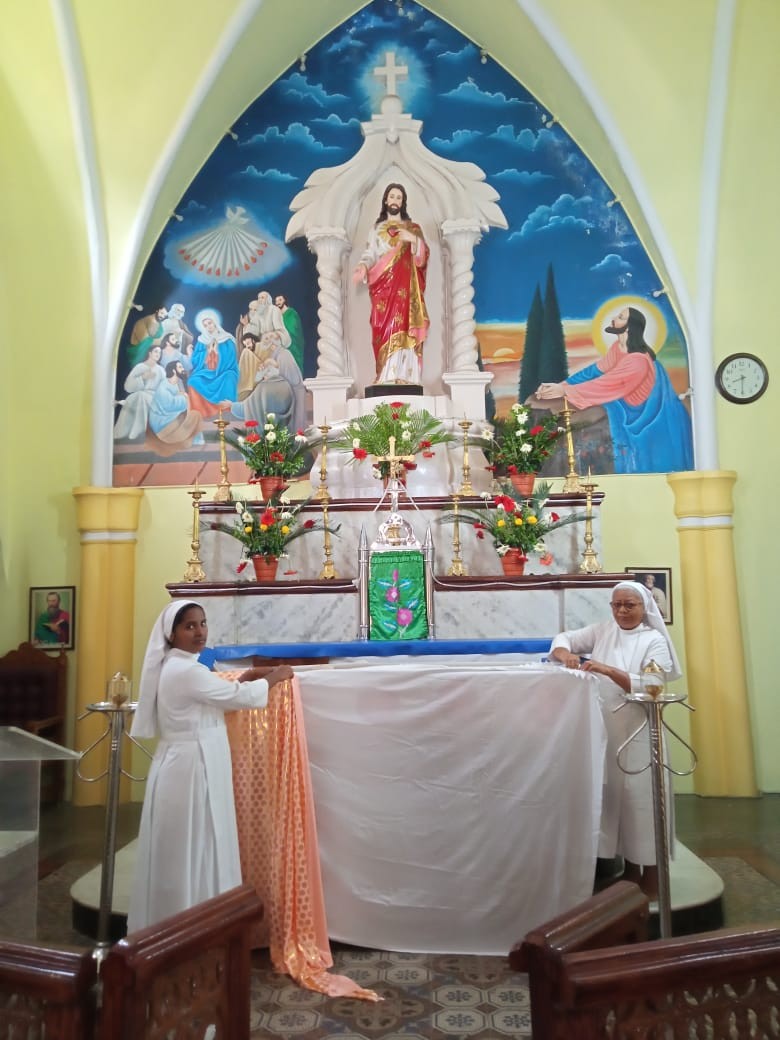
Pastoral and Catechetical Ministry