
Charism and Spirituality
"The sisters who belong to it will remember that their little Body is consecrated to the most holy uncreated Trinity of God the Father, God the Son, and God the Holy Spirit." (Const. Pg. 7). These words are the root of the charism of the Sisters of St. Joseph. It is not an ornament added to their life but the ground on which the whole Congregation stands. From it flows the charism of the "Double and Total Union," which gives the sisters both their identity and their way of living.
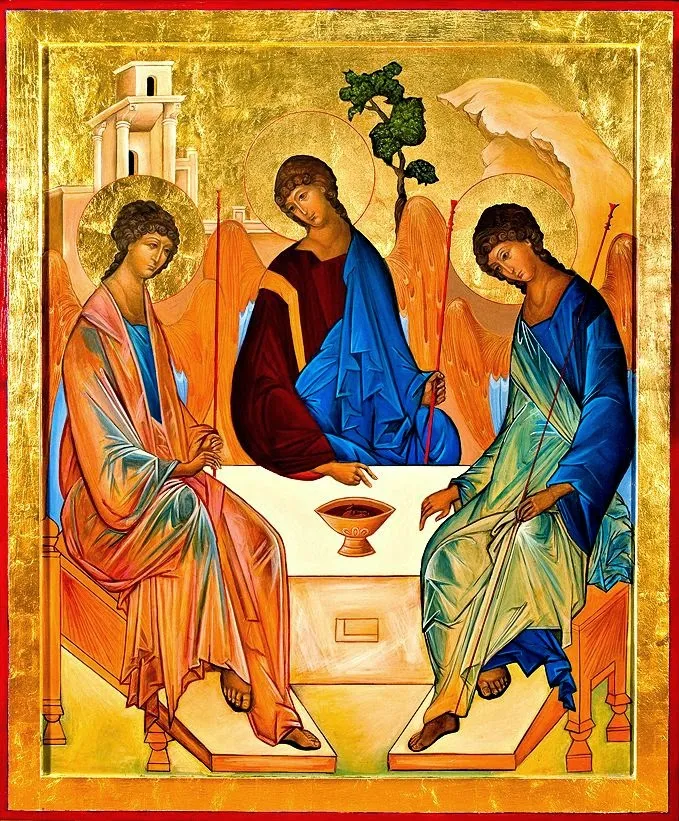
The phrase "Double and Total Union" holds the whole charism in a few words. The union is double because it has two inseparable dimensions: union with God and union with every kind of "dear neighbour," without exception. These are not two loves but one love turned in two directions. To dwell in God is to be sent toward others, and to serve others is to remain in God. The union is total in two senses. It embraces every person and every circumstance, and it is both already begun and not yet complete. The sisters taste this union here, and now, yet they keep moving toward its fullness in the final and everlasting union with God. The charism is therefore a gift already received and a task never finished.
The three divine Persons of the Trinity shape this charism into a concrete way of life. In honour of the Father, the source and model of perfection, the sisters seek what is most perfect in all things. In honour of the Son, who emptied himself for us, they live in humility and self-emptying, letting go of their own will and self-importance. In honour of the Holy Spirit, who is love itself, they live so that their whole life becomes an act of the greatest love, practised in deeds and not merely in words. Perfection here does not mean personal achievement. It means the fullness of loving God and neighbor.
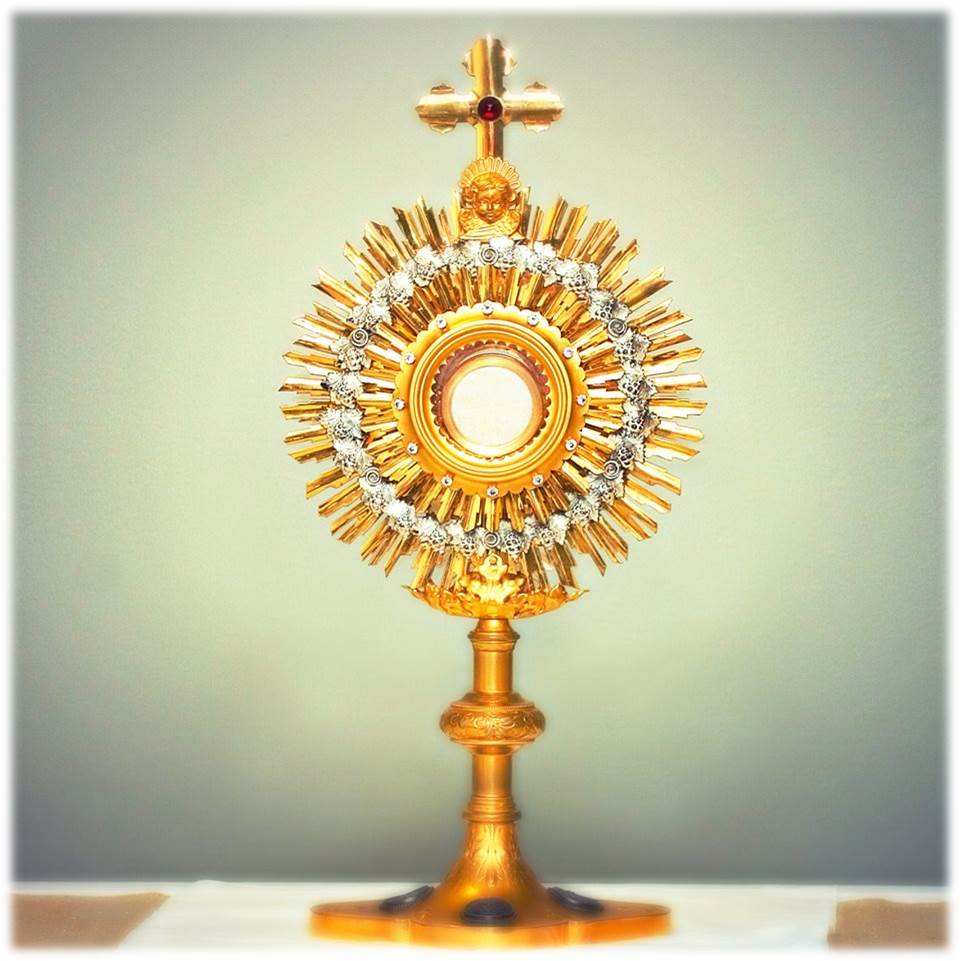
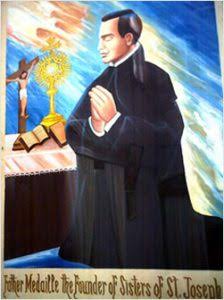
The Eucharist is the model that the founder offered to the congregation, saying, " Jesus in the Eucharist, my dear daughter, is entirely empty of self. And should we not also, in accordance with his will, strive to establish an Institute totally empty of self?" ( E.L, 2), shows where this life is nourished and what it looks like in practice. It points us to Jesus in the Eucharist, who is completely emptied of himself, and asks a searching question: should the sisters not also form a congregation marked by that same self-emptying? The Eucharist becomes the living picture of the charism. In the Eucharist Jesus gives himself away as bread, hidden, humble and entirely for others. The sisters are called to make their own lives eucharistic in the same way. Spirituality is a way of life. And our way of life is the Eucharistic lifestyle, begins at the altar but does not end there. It means that the sisters, having received Christ, become bread for others in the ordinary hours of the day. It shows itself in small, hidden acts: listening patiently to a sister who is tired, serving without seeking recognition, sharing what one has, forgiving quickly, and offering time and presence to the poor, the sick and the lonely. It means taking the place of the servant, as Jesus did, and letting go of the need to be first, to be right or to be noticed. Each day becomes a Mass in miniature: received in thanksgiving, broken in service, and shared in love.
The Letter also widens the horizon of this union. It speaks of the union of the sisters and the neighbour with God, of the sisters with all things, and of all things among themselves and with the sisters. A Eucharistic life, then, is not only about human relationships. It extends to reverence for creation, which is also held within the Trinitarian communion. A sister who lives this way treats people, the earth, and everyday tasks as sacred, because each is touched by the God who gives himself in bread and wine. This lifestyle is sustained by a spirituality that is simple and rooted in everyday life. It draws on the Ignatian generosity in the tradition of disciplined prayer, reflection, examination of conscience, and sharing together, and on the Salesian spirit of gentleness, expressed in humility and doing small things with great love. Together they form a mysticism of the ordinary. The sisters do not wait for extraordinary experiences. They find God in prayer, the sacraments, community life, and service, and they renew their consecration to the Trinity at set times, especially at the start of the year. In this way, contemplation and action are woven into a single life.
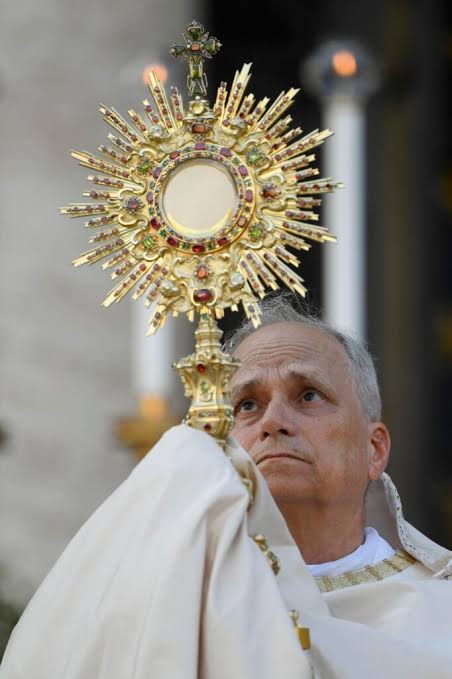
The same Eucharistic spirit shapes community. The sisters are meant to live with such unity that people see in them one heart and one soul, as in the early Church. Around the table of their common life, they are asked to be what they receive: a Body gathered by the Spirit and broken open for the world. The holy family of Jesus, Mary, and Joseph, the created Trinity, stands before them as the human image of this divine communion, showing what love, simplicity, and mutual service look like in a home.
For sisters today, this charism is urgent. In a world divided by walls of the heart and walls on the land, the call to union is a quiet but radical witness. It asks the sisters first to heal what divides them within their own communities and then to extend the same welcome through their ministries, especially to the margins and to those of other cultures and faiths. A Eucharistic way of life moves beyond charity alone toward justice, dignity, and peace.
In the end, e Double and Total Union is both an inheritance and a mission. The sisters receive it as a gift from a God who is love, nourished by the Eucharist, and they pass it on to every neighbour. To live as a consecrated Body means letting the communion of Father, Son and Holy Spirit take visible form in their prayer, their relationships, and their service each day, in the simplest of ways. This is the simple extension of our charism and spirituality.
Thankyou.
Sr.Regina